
Seen and Unseen
Blackness, Queerness, and Theater’s Double Language

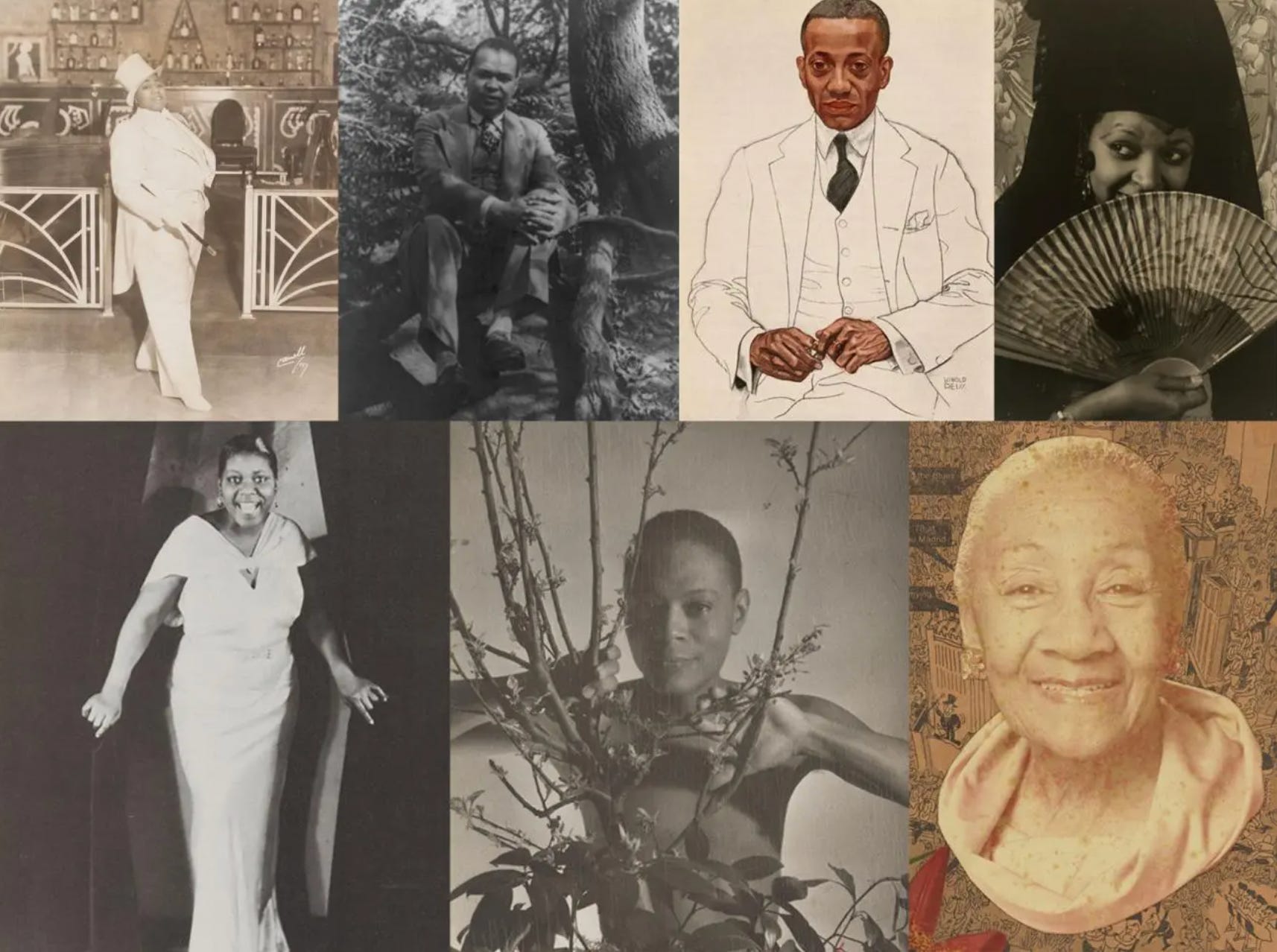
Theater has long been one of the few places where Black and queer people could exist visibly before society was prepared to fully acknowledge them.
Not freely.
Not safely.
But visibly.
American theater history is filled with artists whose identities shaped culture long before institutions openly embraced Blackness or queerness in public conversation. Artists like a Bessie Smith Ma Rainey, Billie Holiday, Langston Hughes, James Baldwin, Alvin Ailey, Lorraine Hansberry, George C. Wolfe, and Billy Strayhorn transformed American artistic culture while navigating identities often forced into coded or partial visibility.
The stage became a place where artists communicated through double language.
Black performers historically learned to navigate multiple audiences simultaneously: Black audiences, white audiences, insiders, outsiders, gatekeepers, and communities searching for recognition. Queer artists developed similar languages through gesture, camp, humor, fashion, subtext, musicality, and theatricality.
When Blackness and queerness intersected, artists often carried both negotiations at once.
That influence continues today.
Buffalo audiences have recently experienced contemporary Black queer theatrical voices through works by playwrights like Douglas Lyons, Terry Guest, and Tarell Alvin McCraney. Their work continues expanding how Black queer identity, masculinity, vulnerability, humor, spirituality, and chosen family appear onstage.
These playwrights inherit a long theatrical tradition while simultaneously reshaping it.
That tradition has never been limited to dialogue alone. Black queer theatrical influence exists in rhythm, movement, vocality, drag culture, fashion, church aesthetics, audience interaction, improvisation, and performance style itself.
Sometimes what cannot be spoken directly becomes aesthetic language.
A look.
A pause.
A vocal inflection.
A sequined costume.
A joke that lands differently depending on who is listening.
The audience understands more than the script explicitly says.
Historically, theater also became a place where chosen families formed. Touring companies, rehearsal rooms, clubs, and underground performance spaces often created emotional ecosystems for people existing outside mainstream social acceptance.
Theater was not simply performance.
It was survival through community.
That history matters because Black queer artists are still too often discussed as though they are newly arriving within theater culture rather than having shaped it for generations.
But they were always here.
Sometimes centered.
Sometimes coded.
Sometimes unnamed.
Sometimes deliberately overlooked.
Still shaping the stage.
And perhaps that is theater’s greatest contradiction:
the stage has often allowed society to emotionally experience truths long before it was willing to publicly admit them.